
Lighting Industry Enters a New Era of Refined and Intelligent Transformation
sourcewww.lightingchina.com.cn
time2026/06/30
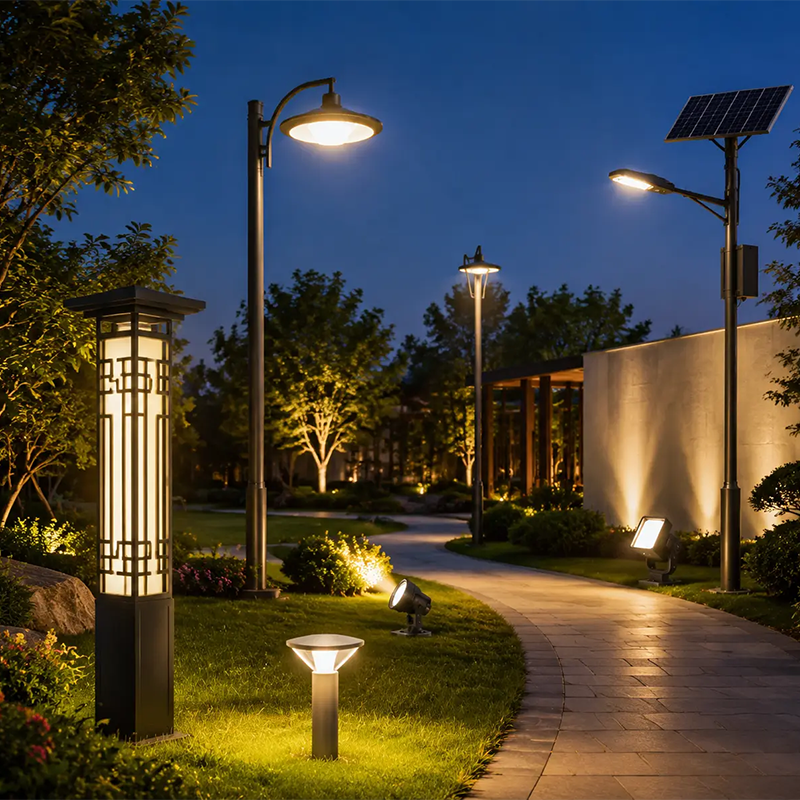
- The key question now is how lighting manufacturers and solution providers can seize this multi-billion-yuan market opportunity.
On June 8, China's National Development and Reform Commission (NDRC) announced a major policy initiative to accelerate urban renewal. The government will allocate RMB 97 billion through the central budget and an additional RMB 160 billion through ultra-long-term special treasury bonds, bringing the total investment to RMB 257 billion. These funds will support projects such as the renovation of aging residential communities, underground utility networks, integrated community development, and the preservation of historic and cultural districts.
For the lighting industry, which is closely linked to urban renewal, this marks the beginning of an unprecedented policy-driven growth opportunity. The key question now is how lighting manufacturers and solution providers can seize this multi-billion-yuan market opportunity—and whether the industry's existing shortcomings can be addressed in time to fully capitalize on this new wave of development.
Urban Lighting Is Evolving from "Brighter" to "More Comfortable"
For many years, urban lighting renovation has primarily focused on increasing illumination levels and improving energy efficiency. However, poor lighting design and installation in some areas have resulted in excessive glare and even light pollution. According to Deng Maolin, "The traditional, extensive approach that simply aimed to make cities brighter is gradually being phased out. Today, both street lighting and landscape lighting are shifting toward demand-based illumination and precision dimming. This approach not only aligns with cities' energy-saving and carbon-reduction goals, but also supports ecological sustainability and improves the quality of urban living. It represents the inevitable direction of the lighting industry."
As the focus of urban lighting shifts from simply "making spaces brighter" to "making them more comfortable," the demand generated by urban renewal is no longer just about expanding the market. Instead, it is about enhancing the quality and value of existing urban spaces.Deng points out that the lighting industry's participation in urban renewal and aging community renovation projects currently faces two major challenges: funding mechanisms and the lack of refined assessment standards.
Funding remains a significant obstacle because financial responsibility has largely shifted to local governments at the grassroots level. Limited funding stability and delays in budget allocation often slow the implementation of lighting renovation projects. At the same time, the absence of comprehensive evaluation standards has led to a mismatch between project requirements and actual lighting solutions. The industry has yet to establish a detailed and standardized framework for assessing lighting performance across different urban environments and application scenarios. Without clearly defined evaluation criteria, it becomes difficult to accurately identify renovation needs and prioritize projects.
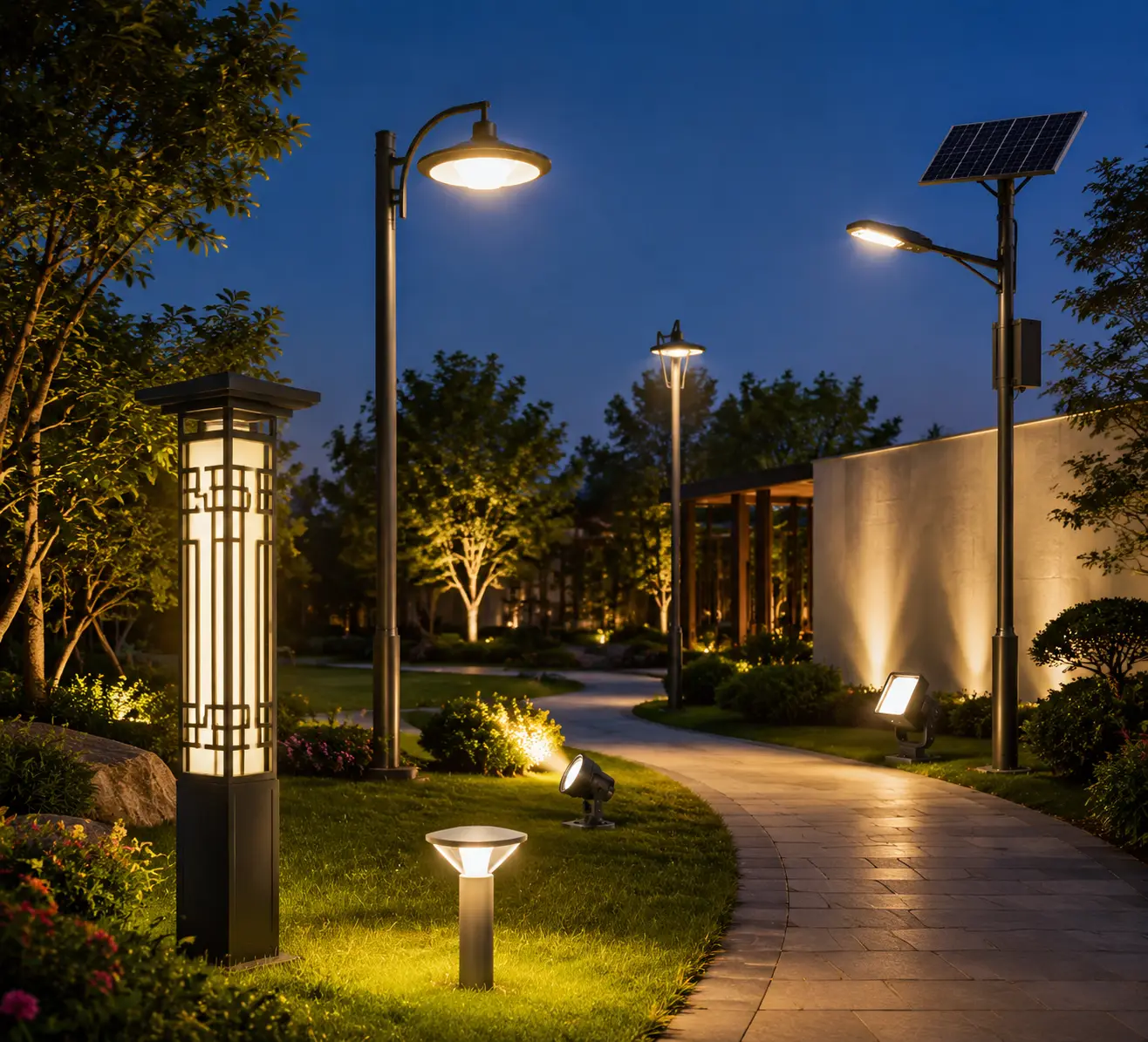
To support this new development model, industry standards must undergo a comprehensive upgrade in three key areas:
1. Establish refined lighting assessment standards.
Move beyond broad, generic guidelines by developing dedicated assessment criteria for urban renewal projects. These standards should clearly define the technical requirements and renovation criteria for different urban areas and application scenarios.
2. Improve standards for operation, maintenance, and product quality.
Urban renewal has introduced new lighting products and application environments that existing general standards can no longer adequately address. Updated quality control systems and standardized maintenance procedures are needed to ensure long-term performance and reliability.
3. Introduce human-centric lighting standards.
Future lighting design should place greater emphasis on residents' health and well-being. Different lighting standards should be developed for residential neighborhoods, transportation corridors, recreational spaces, and landscape environments, allowing lighting to evolve from a purely functional necessity into a service that promotes comfort, health, and environmental harmony.
Lighting Companies Must Strengthen Their Smart Compatibility Capabilities
As smart community services continue to expand, interoperability within the smart lighting ecosystem has remained one of the industry's biggest challenges. With the government's RMB 257 billion investment in urban renewal projects, an important question arises: Will this unprecedented funding further reinforce ecosystem fragmentation among major technology providers?
Industry experts believe the opposite is more likely. Rather than deepening ecosystem barriers, the large-scale investment is expected to accelerate the standardization of smart lighting systems and promote interoperability across platforms.
Urban renewal is a comprehensive infrastructure initiative in which lighting is only one component of a much larger smart city ecosystem. Lighting systems must seamlessly integrate with transportation, security, utilities, communications, and other intelligent urban management platforms. To support this integration, China has already initiated the development of mandatory interoperability standards for smart home and connected devices. As these standards are implemented, barriers between different smart lighting ecosystems are expected to gradually disappear.
Driven by both supportive government policies and this multi-billion-yuan investment program, the industry's top-level standardization framework will continue to evolve, ultimately enabling seamless connectivity among smart devices across diverse applications and brands.
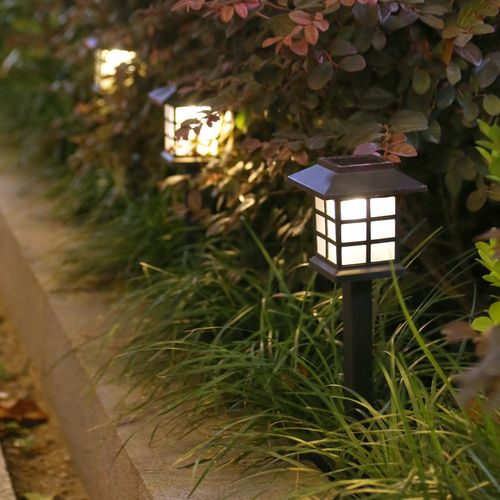
For lighting manufacturers, the priority should not be worrying about ecosystem competition, but rather strengthening their own core capabilities. By focusing on product quality, intelligent compatibility, and application-specific lighting solutions, companies will be well positioned to integrate into the broader smart ecosystem.
The RMB 257 billion investment is therefore far more likely to accelerate the establishment of unified industry standards than to create further fragmentation. Since these projects are financed through public budgets and special government bonds, they are expected to meet long-term operational, maintenance, and upgrade requirements. It is therefore unrealistic for lighting systems in different cities or application scenarios to rely on isolated, proprietary platforms.
As a result, government agencies are expected to make interoperability a fundamental qualification requirement during the procurement process. Suppliers will need to comply with unified communication protocols and interface standards in order to participate in project bidding. This top-down policy approach will encourage even traditionally closed ecosystems to become more open, as few companies can afford to miss such a significant market opportunity. At the same time, industry associations are expected to leverage this policy momentum to accelerate the development of unified communication protocols and standardized data interfaces, ultimately breaking down technological barriers and enabling true cross-brand interoperability across the smart lighting industry.
Lighting Companies Must Evolve from Product Suppliers to Integrated Service Providers
According to a previous survey by China's Ministry of Commerce, more than 60% of urban consumer spending takes place at night. In some large shopping malls, sales between 6:00 p.m. and 10:00 p.m. account for over 50% of total daily revenue, while nighttime tourism generates three times more per-capita spending than daytime activities. Against this backdrop, lighting renovation in historic and cultural districts has become a key driver of the nighttime economy and one of the most technically demanding segments of the current urban renewal program. Success requires companies to strike a delicate balance between heritage preservation, aesthetic design, intelligent control, and cost management.
In practice, lighting projects for historic districts present three major challenges:
From a technical perspective, lighting systems must combine low energy consumption with intelligent control while remaining visually unobtrusive. Luminaires need to be compact and carefully integrated into the architectural environment so that modern lighting equipment does not compromise the historical character of heritage buildings. This places exceptionally high demands on miniaturized fixtures and concealed installation techniques.
From a design perspective, lighting must balance functionality with atmosphere. Solutions should provide sufficient illumination for pedestrian safety while preserving the unique cultural identity and ambience of historic neighborhoods. Rather than applying standardized lighting schemes, designers are expected to develop customized solutions for each individual historic building, highlighting its architectural features without overwhelming the surrounding environment.
From a cost perspective, customized designs and concealed installations inevitably increase initial investment, while long-term maintenance requires greater precision than conventional lighting projects. The central challenge is achieving an appropriate balance between budget control, authentic heritage restoration, environmental sustainability, and smart lighting technologies. A company's ability to address these competing priorities will become a key measure of its competitiveness during this new policy-driven market cycle.
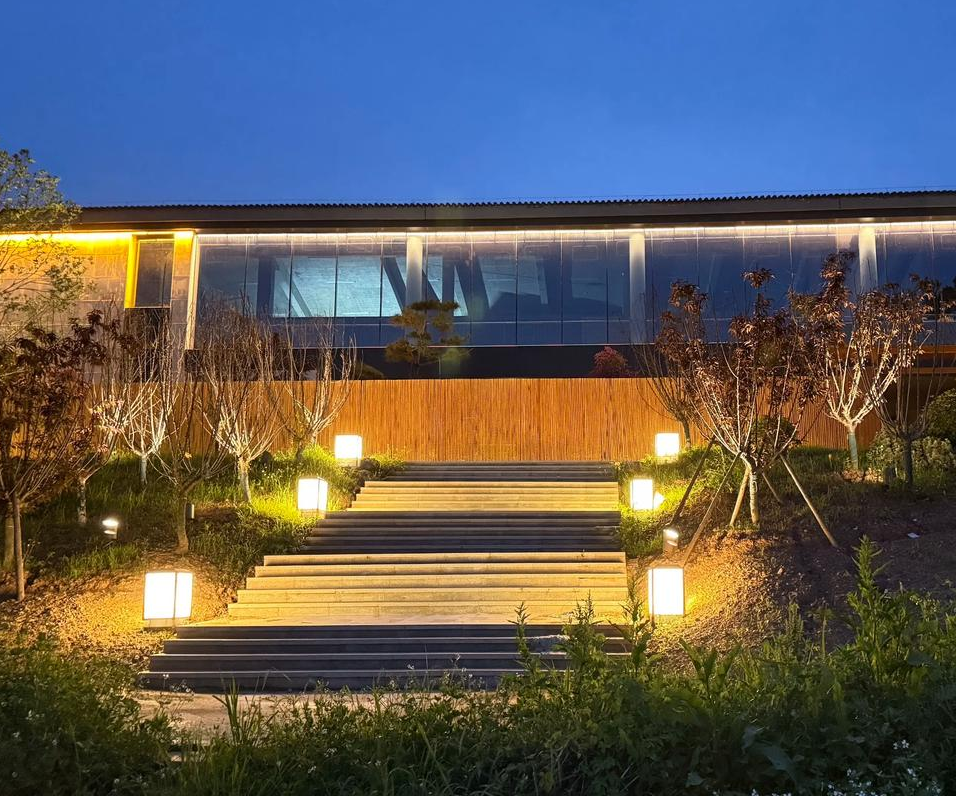
As the RMB 257 billion urban renewal market continues to unfold, lighting companies must fundamentally rethink their business strategies. The traditional model of manufacturing and selling standalone lighting products is no longer sufficient. Instead, companies need to transition toward an integrated service model that encompasses product design, project implementation, intelligent lighting solutions, long-term operation, and lifecycle maintenance.
Lighting renovation in urban renewal projects is no longer simply about replacing fixtures—it is a comprehensive, long-term engineering process that requires refined planning, intelligent technologies, and integrated management. Only by evolving from product manufacturers into providers of complete lighting systems and professional services can companies successfully adapt to the industry's transformation toward smarter, more refined urban lighting and secure a competitive position in this rapidly expanding market.